

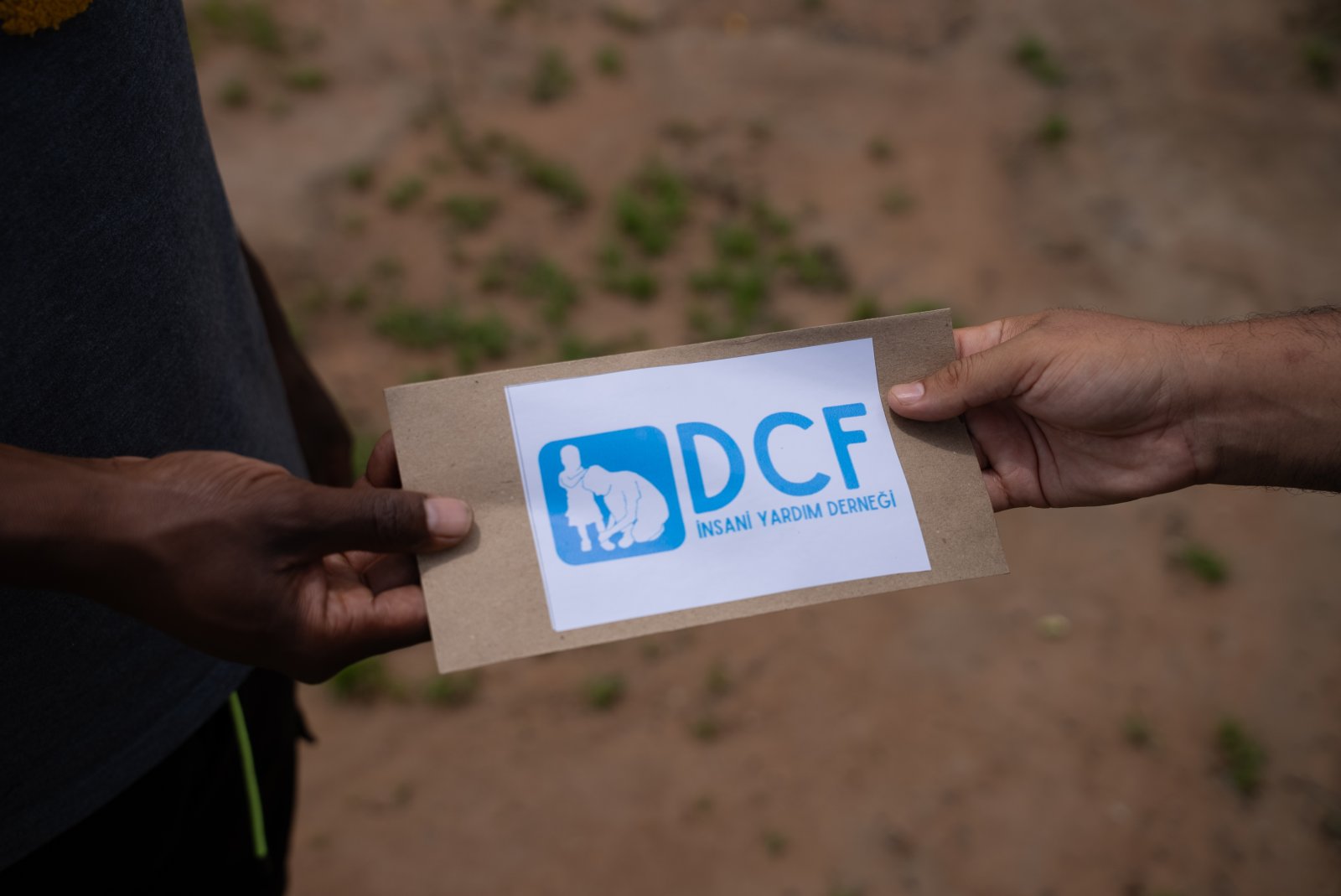
ZAKAT
What Is Zakat?
Zakat is one of the five pillars of Islam. It is the obligatory act of giving one-fortieth (2.5%) of one’s qualifying wealth to one of the eight categories of people specified in the Qur’an, seeking the pleasure of Allah.
Zakat is the sharing of a portion of one’s wealth with those in need. By giving zakat, the gap between wealth and poverty in society can be reduced. It also encourages social solidarity, cooperation and mutual support.
Who Can Receive Zakat?
Zakat is a financial act of worship given to people who meet specific criteria in Islam. There are eight categories of eligible recipients, as stated in Surah At-Tawbah, verse 60:
“Zakat expenditures are only for the poor, the needy, those employed to collect it, those whose hearts are to be reconciled, for freeing those in bondage, those in debt, for the cause of Allah, and for the traveler in need.”
The eight categories are:
- The Poor (Al-Fuqara): Those who cannot adequately meet their basic needs.
- The Needy (Al-Masakin): Those who struggle to meet their essential needs despite working.
- Zakat Administrators: Those appointed to collect and administer zakat.
- Travelers in Need: People who are stranded during a journey without sufficient money or essential provisions.
- People in Debt: Those who have legitimate debts and do not possess sufficient wealth beyond their essential needs to repay them.
- Those Seeking Freedom: Historically, enslaved people seeking to obtain their freedom.
- Those in the Cause of Allah: Those engaged in legitimate efforts in the cause of Allah.
- Those Whose Hearts Are to Be Reconciled (Al-Mu’allafatu Qulubuhum): People whose hearts are being brought closer to Islam or those whose relationship with Islam is being strengthened.
When giving zakat, it is encouraged to first consider people in one’s own community and identify those who are genuinely in need.
Is Giving Zakat Obligatory?
Yes. Zakat is obligatory (fard) for eligible Muslims.
It is one of the five fundamental pillars of Islam and is an act of worship performed in obedience to Allah.
Who Is Required to Pay Zakat?
A person who is eligible to pay zakat must meet the relevant conditions, including possessing wealth that reaches the nisab threshold.
The nisab is the minimum amount of qualifying wealth that makes zakat obligatory. A commonly used gold-based threshold is approximately 80.18 grams of gold.
How Is Zakat Calculated?
To calculate your zakat, you can follow these general steps:
1. Assess Your Qualifying Wealth:
Consider your zakatable assets, such as cash, gold, silver, business inventory and other qualifying assets, while taking into account your essential needs and applicable debts.
2. Calculate 2.5%:
For qualifying monetary wealth, the standard zakat rate is 2.5% (1/40).
For example, if your zakatable wealth is 100,000, the zakat amount would generally be:
100,000 × 2.5% = 2,500
For more complex financial situations, it is advisable to consult a qualified Islamic scholar or zakat specialist.
When Should Zakat Be Given?
Once a person's qualifying wealth reaches the nisab threshold, zakat generally becomes due after one lunar year has passed while the wealth remains at or above the applicable threshold.
There is no requirement that zakat must specifically be given during Ramadan. However, because Ramadan is a month associated with worship, generosity and solidarity, many Muslims choose to give their zakat during this month.
What Are the Virtues of Giving Zakat?
Seeking the Pleasure of Allah:
Zakat is an act of worship and an expression of obedience to Allah.
Promoting Social Justice:
Zakat contributes to reducing economic inequality and strengthening solidarity within society.
Spiritual Purification:
Giving from one’s wealth helps develop generosity and frees the heart from excessive attachment to material possessions.
Supporting Those in Need:
Zakat provides direct support to people facing poverty and financial hardship.
Strengthening Social Solidarity:
Zakat encourages Muslims with greater financial means to support vulnerable members of their communities.
Giving zakat is an important act of worship that combines devotion to Allah with responsibility toward society and those in need.
HOW CAN I DONATE?
DONATIONS FROM TÜRKİYE
Albaraka IBAN:
TR180020300009713601000001
Recipient Name:
Dünya Çocuk Faaliyetleri İnsani Yardım Derneği
Description:
Please write “Zakat”.
• For your questions and donation video, please send the donation receipt and information about whose name the zakat should be distributed on behalf of via WhatsApp to our Türkiye contact number:
+90 543 640 7763
DONATIONS FROM EUROPE
For PayPal payments, please select the Friends and Family option.
PayPal: PayPal – Dreams of Children
Bank: Sparkasse Westmünsterland
Recipient: Dreams of Children Family e.V.
IBAN: DE64 4015 4530 0052 7696 19
BIC: WELADE3WXXX
Description:
Please write “Zakat”.
• For your questions and donation video, please send the donation receipt and information about whose name the zakat should be distributed on behalf of via WhatsApp to our Europe contact number:
+49 1575 6566468.
Bu proje hakkında henüz hiç yorum yazılmamış...